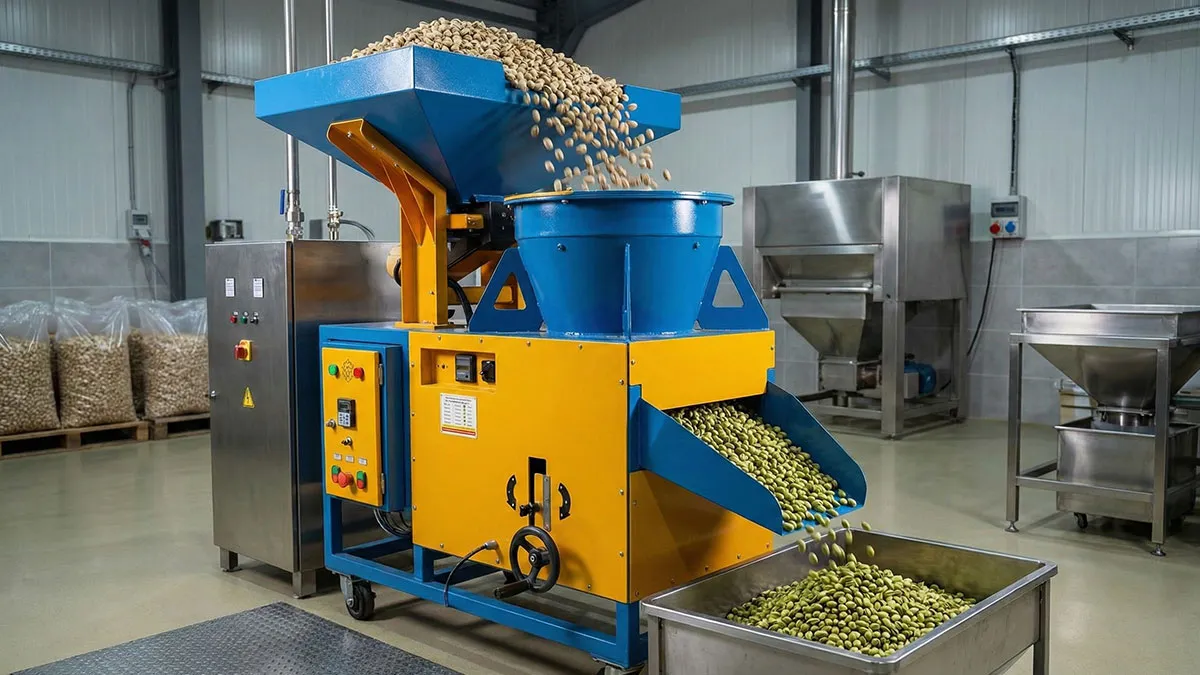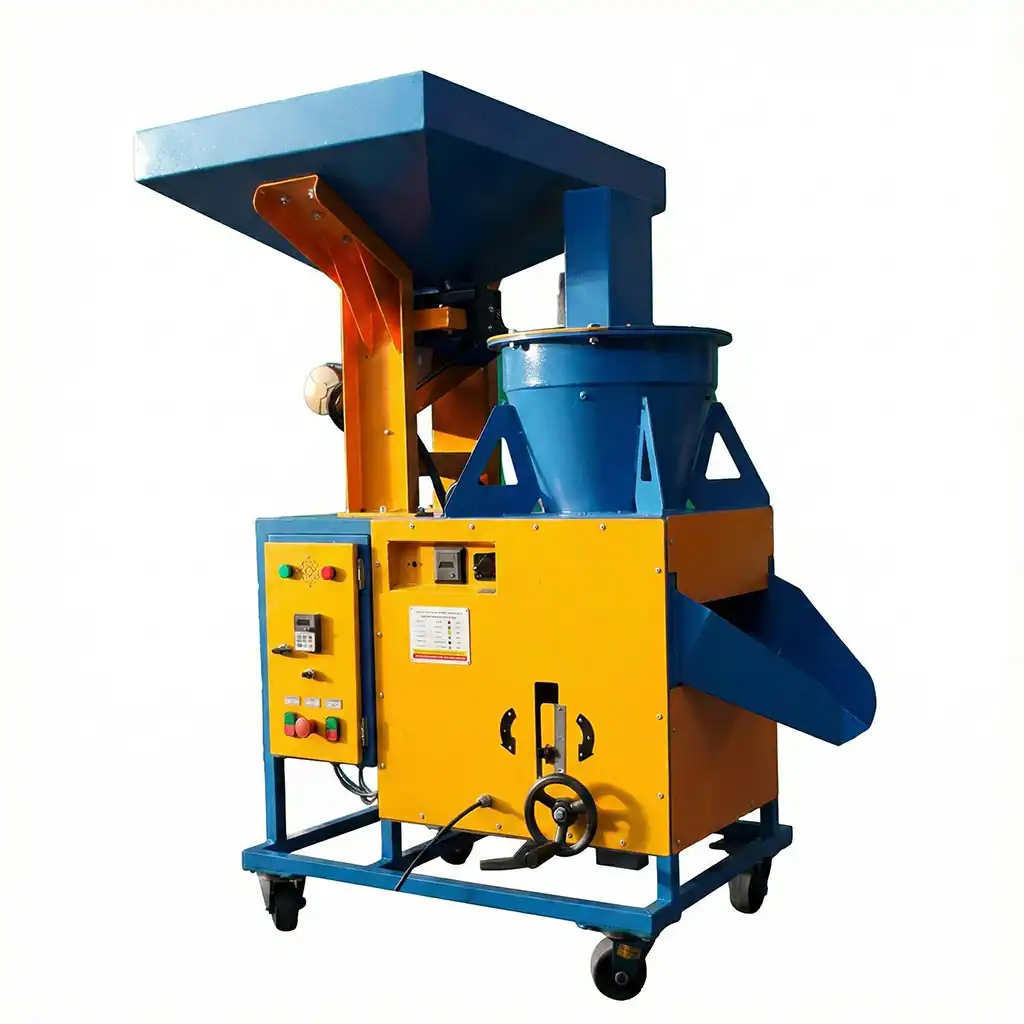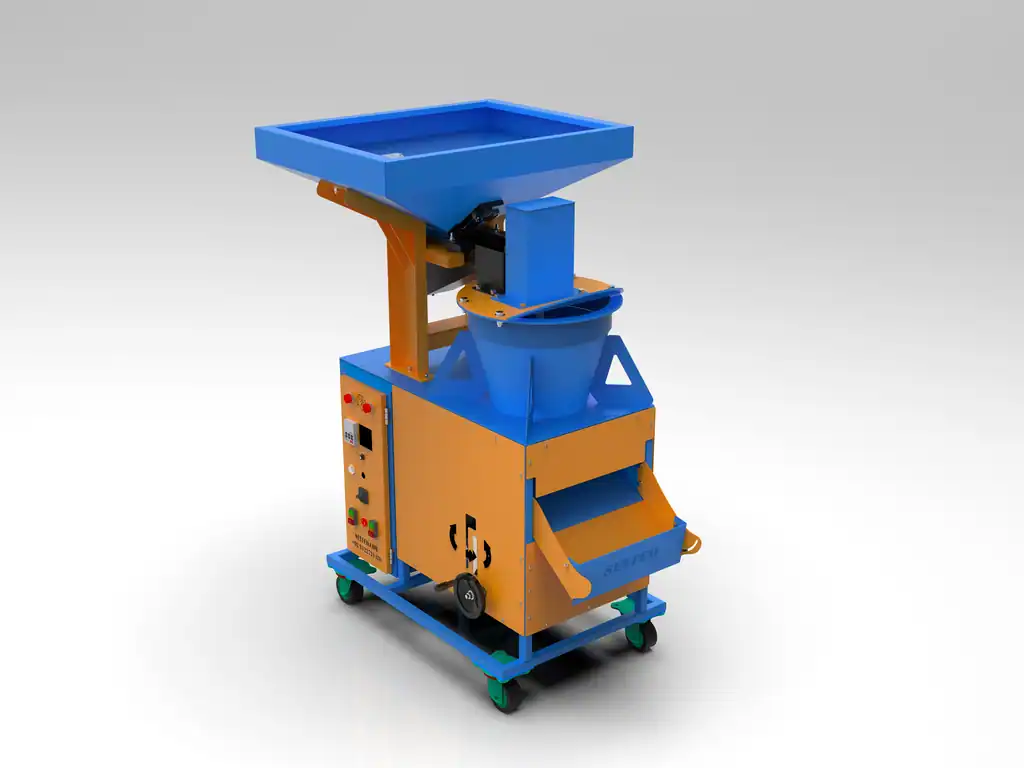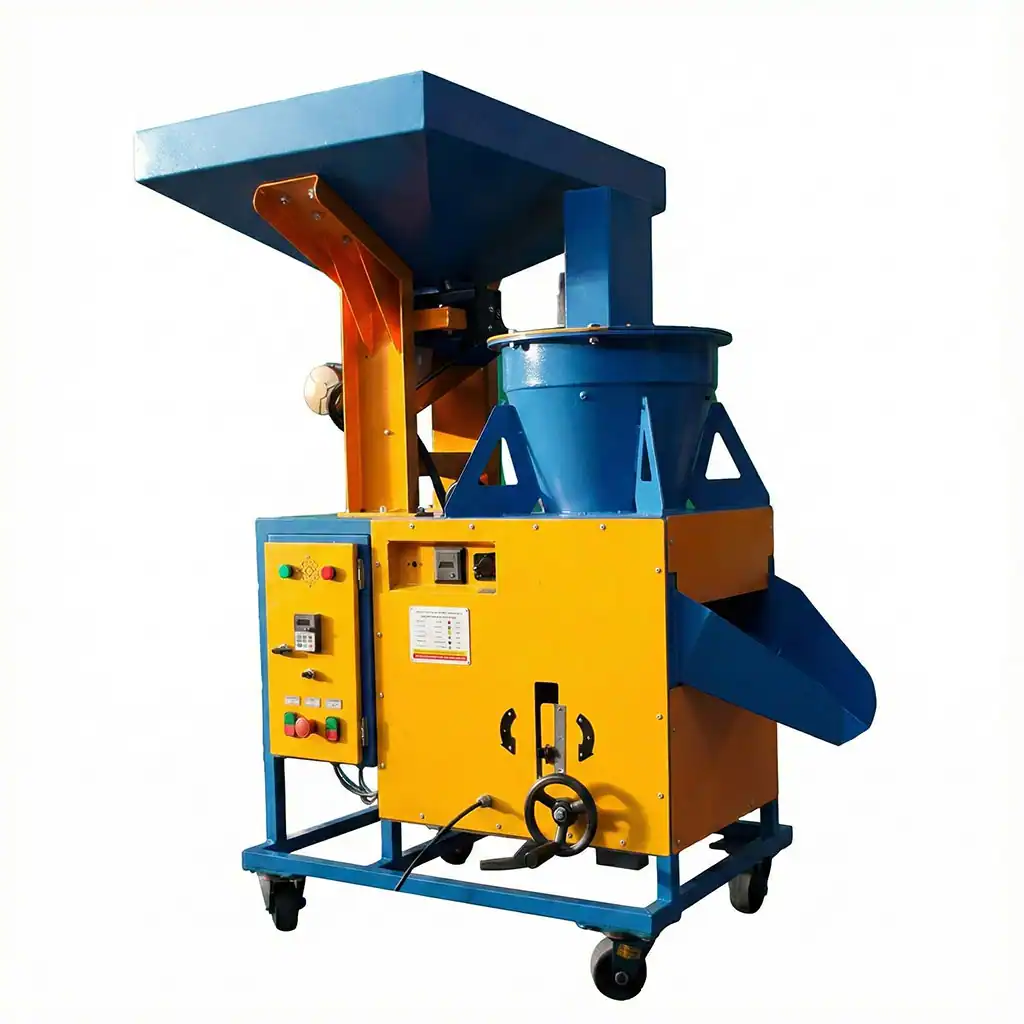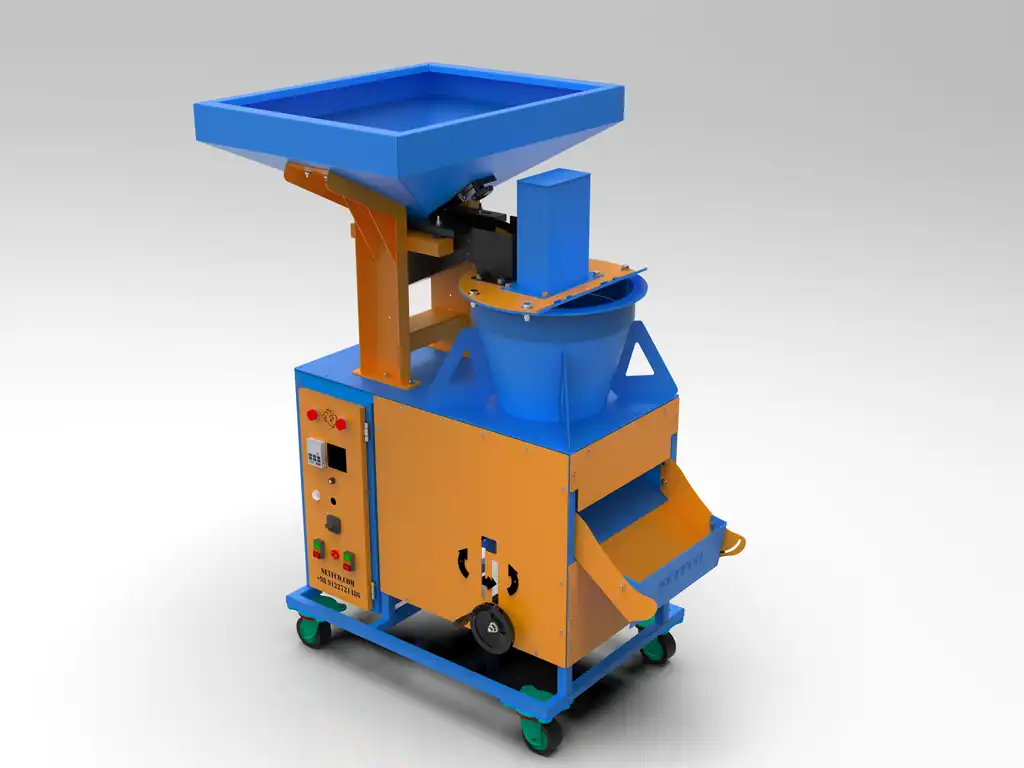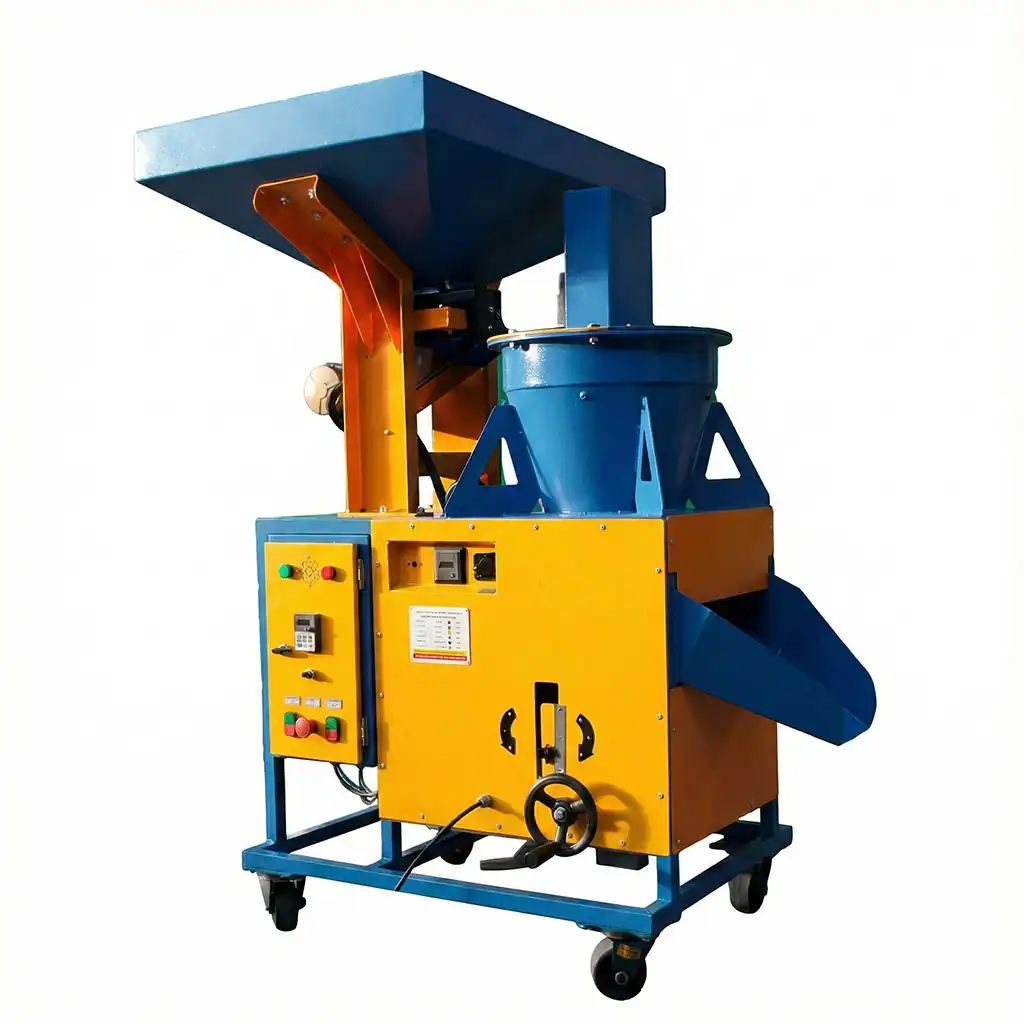

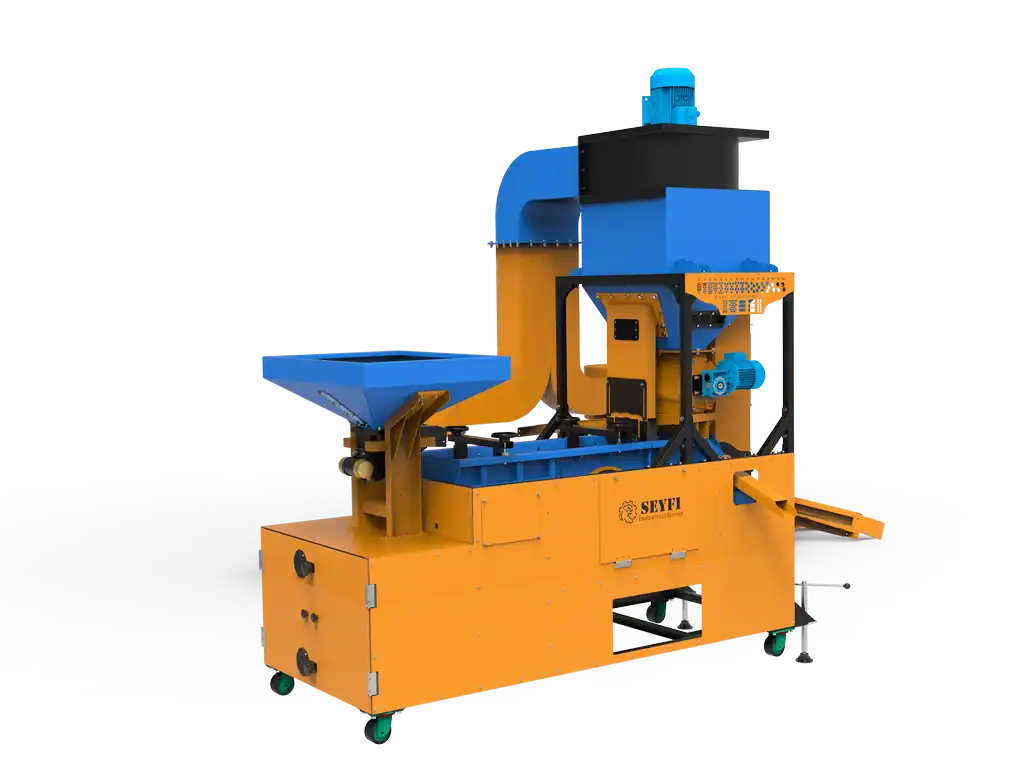

Hazelnuts, as a delicious and popular snack, come out of the production line clean and pure. But reaching this stage—separating the fine, annoying shells from the hazelnut kernels—has never been an easy task. The hazelnut shell separator uses a simple trick, namely air flow (blowing/suction), to separate the shells and deliver clean, well-sorted hazelnut kernels. If you are looking for an easy and fast way to improve the quality of your hazelnuts and satisfy your customers, join us in this guide from the Seifi website to see how this machine works and what advantages it offers.
What is a hazelnut shell separator?
The hazelnut shell separator, sometimes also known as a hazelnut hollow-kernel remover or hazelnut aspirator, is one of the essential pieces of equipment in hazelnut production and processing lines. Its main function is the effective and efficient separation of cracked shells from the hazelnut kernels after the outer shell cracking stage. This process is very important for obtaining pure hazelnut kernels and preparing them for subsequent stages, such as entry into the hazelnut sorting machine, packaging, or further processing.
Considering that cracked shells may be broken into small pieces and remain mixed with the hazelnut kernels, using this machine ensures that the final product is of high quality and free from any impurities. The technology used in these machines is based on airflow, so that with powerful blowers and suction units, the lighter cracked shells are separated from the heavier kernels.

In a standard hazelnut processing production line, the kernel-shell separator plays a significant role and is typically placed after the industrial hazelnut cracker. However, if the hazelnut product contains leaves, stems, or other contaminants, you should also use aspiration to separate impurities from the hazelnuts before sorting.
In general, the mixture from the cracker is directed to this machine. The machine uses a strong airflow to direct and suction the lighter, cracked shells upward or outward, while the heavier hazelnut kernels, which typically have higher density, fall downward or forward. This process is repeated continuously to ensure separation is as complete as possible.
How the hazelnut shell separator works
The operation of the hazelnut shell separator, also known as the hazelnut aspirator, is based on aerodynamic principles and the density difference between the hazelnut kernel and its cracked shell. The working steps are as follows:
Material entry:
The mixture of hazelnuts and cracked shells enters the machine through a hopper or feeding system. This material is typically placed at the top of an air channel.
Airflow generation:
The machine is equipped with one or more powerful blowers that create a continuous and controlled airflow inside the machine channel. This airflow can be directed from bottom to top in the opposite direction of material fall or from other directions.
Separation of hazelnut shells based on density:
When the material mixture enters the airflow, the main factor for separation is the difference in weight and density between the hazelnut kernels and the cracked shells. The cracked shells are lighter, and the blown airflow lifts them and directs them upward or to a specific outlet.
Hazelnut kernels:
Hazelnut kernels, especially after their thin skin is removed, are heavier and denser. The airflow does not have the strength to lift and move the hazelnut kernels with the same intensity as it does the shells. As a result, the hazelnut kernels fall downward or along the channel toward their designated outlet.
Airflow adjustment:
One of the most important aspects of this machine’s operation is the ability to precisely adjust the airflow intensity. The operator can use the available controls to set the air volume, ensuring the separation process is performed as effectively as possible.
Separate outputs:
The machine has 4 separate outputs, designed for clean hazelnut kernels, cracked shells, dust, and hollow/lightweight hazelnuts.
This continuous process allows the operator to process a large volume of hazelnuts in a short amount of time and achieve a product with high purity.
Advantages of using the hazelnut aspirator
Using the hazelnut aspirator or kernel-shell separator in the hazelnut processing production line brings significant advantages that directly impact quality, productivity, and profitability:

Increased product purity:
The most important advantage is the effective separation of cracked shells from the hazelnut kernels. This feature results in a final product with high purity, which is highly desirable for customers and end consumers.
Improved hazelnut kernel quality:
By removing excess shells, the hazelnut kernels achieve a cleaner and more attractive appearance. This is very important for direct sales or use in the food industry, such as pastry making and chocolate manufacturing.
Increased productivity and production speed:
These machines can process a large volume of hazelnuts in a short time. This high speed significantly increases the overall productivity of the production line and enables the processing of bulk quantities of hazelnuts.
Reduction in manual labor:
The automation of this process minimizes the need for manual labor to separate the shells. This reduces labor costs and also reduces human errors.
Adjustability and flexibility:
Most of these machines allow for adjustment of the airflow intensity, making it possible to adapt to different types of hazelnuts and varying degrees of shell breakage. This flexibility ensures the machine’s efficiency in different conditions.
Waste reduction:
With precise separation, the likelihood of kernel damage during the process is reduced, resulting in minimal product waste.
Improved performance of downstream equipment:
Clean hazelnut kernels improve the performance of subsequent machines such as sorting and packaging equipment. These machines operate with greater accuracy and speed when they receive a cleaner input.
Economic savings:
By increasing productivity, reducing labor and waste, and improving product quality, the use of these machines ultimately leads to economic savings and increased profitability.
Technical specifications of the hazelnut shell separator
The technical specifications of hazelnut shell separators can vary depending on the model, capacity, and manufacturer. The kernel-shell separator from Seifi Industrial Group is manufactured in single-phase and three-phase models with capacities of 100 and 300 kg per hour. These machines operate with a vibrator and screen and feature adjustable airflow.

The advantage of this machine is that it has small balls (bumpers) to prevent hazelnuts from getting stuck in the mesh screen. This machine has very high precision and delivers unbroken hazelnuts, kernels, cracked shells, and dust separately through different outputs. The machine height is 2.90 meters, and for ease of operation, a conveyor and bucket elevator are used to discharge the hazelnuts into the hopper.
Price of the hazelnut shell separator
The price of the hazelnut shell separator is influenced by several factors, each of which directly or indirectly affects the final cost of the product. Understanding these factors helps buyers make an informed choice and assess the true value of their investment. The most important factors affecting the price are:
| Row/Item | Factors affecting the price of the hazelnut shell separator |
|---|---|
| 1 | Production Capacity |
| 2 | Build quality and raw materials |
| 3 | Technology and control system |
| 4 | Brand and manufacturer |
| 5 | Design complexity and additional features |
| 6 | Market conditions and currency fluctuations |
| 7 | Installation, commissioning, and after-sales service costs |
In the following, we will examine each of these items in more detail:
Production capacity:
Machines with higher processing capacity—for example, processing several tons of hazelnuts per hour—typically have a higher price compared to machines with lower capacity, due to the need for more powerful motors, a larger structure, and higher-quality components.
Build quality and raw materials:
The use of high-grade stainless steel for parts in contact with the product, compared to ordinary steel with industrial paint, increases production costs but ensures durability, hygiene, and corrosion resistance. The quality of mechanical and electrical components such as the motor and blower also directly affects the price.
Technology and control system:
Machines equipped with advanced control systems, such as inverters for precise adjustment of motor speed and airflow, or automated systems, are priced higher than simpler models with manual controls.
Brand and manufacturer:
Reputable brands with a long history in manufacturing industrial machinery and offering strong warranties and after-sales services usually price their products higher.
Design complexity and additional features:
Some machines may have special features such as multi-stage suction systems, automatic adjustment capabilities, or ergonomic designs for ease of use and maintenance, which increase the price.
Market conditions and currency fluctuations:
The price of raw materials, transportation costs, and exchange rates (if components are imported or the product is exported) can significantly affect the final price.
Additional costs:
Costs related to installation, commissioning, operator training, as well as warranty and after-sales service costs, may be included in the final price or calculated separately.
Final Word
Despite the availability of advanced technologies, success and competitiveness in the dried fruit and nut market depend on choosing and equipping the processing line with modern machinery. The hazelnut shell separator, as one of the key pieces of equipment in the hazelnut production line, is a powerful tool for improving quality, increasing productivity, and reducing costs. Relying on aerodynamic principles and using airflow, this machine can separate cracked shells from hazelnut kernels with high precision and speed, delivering a pure, high-quality product.
Seifi Industrial Group is proud to take an effective step toward advancing the hazelnut processing industry in the country by offering high-quality hazelnut shell separators that meet international standards. We assure you that by choosing our equipment, you will take a solid step toward producing superior-quality products and achieving commercial success.
Frequently Asked Questions
Is the hazelnut shell separator suitable for different types of hazelnuts?
Yes, most of these machines, with their adjustable airflow intensity, can adapt to different sizes and characteristics of hazelnuts.
What is the maximum capacity of these machines?
The capacity of the machines varies greatly depending on the model and manufacturer. They are available from small models with a capacity of a few hundred kilograms per hour to large industrial machines capable of processing several tons per hour.
Do these machines require special maintenance?
Like any other industrial machine, these devices require regular maintenance. Periodic cleaning of the air channel, checking and lubricating the blower bearings if necessary, and inspecting the motor belts are among these measures.
Can I also use this machine for separating the shells of other nuts and dried fruits?
Yes, depending on their design and adjustability, these machines may also be usable for separating the shells or hulls of other nuts and dried fruits such as almonds, pistachios (after cracking), or sunflower seeds. However, to be sure, it is best to consult with our experts at Seifi Industrial Group.