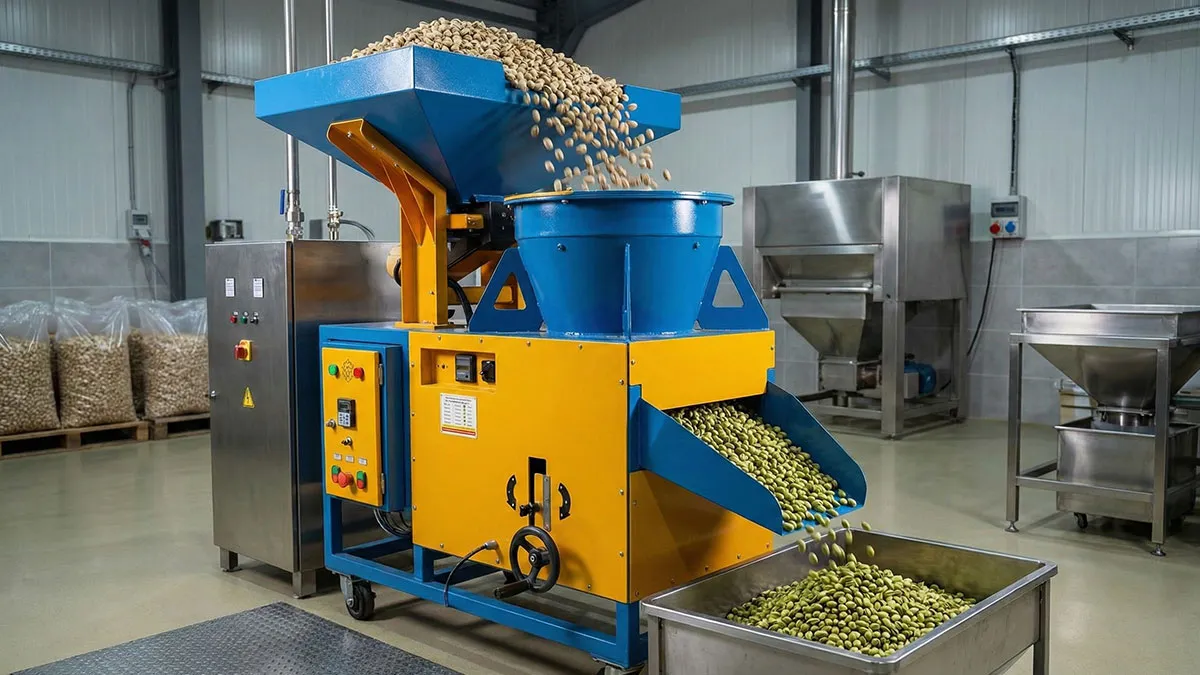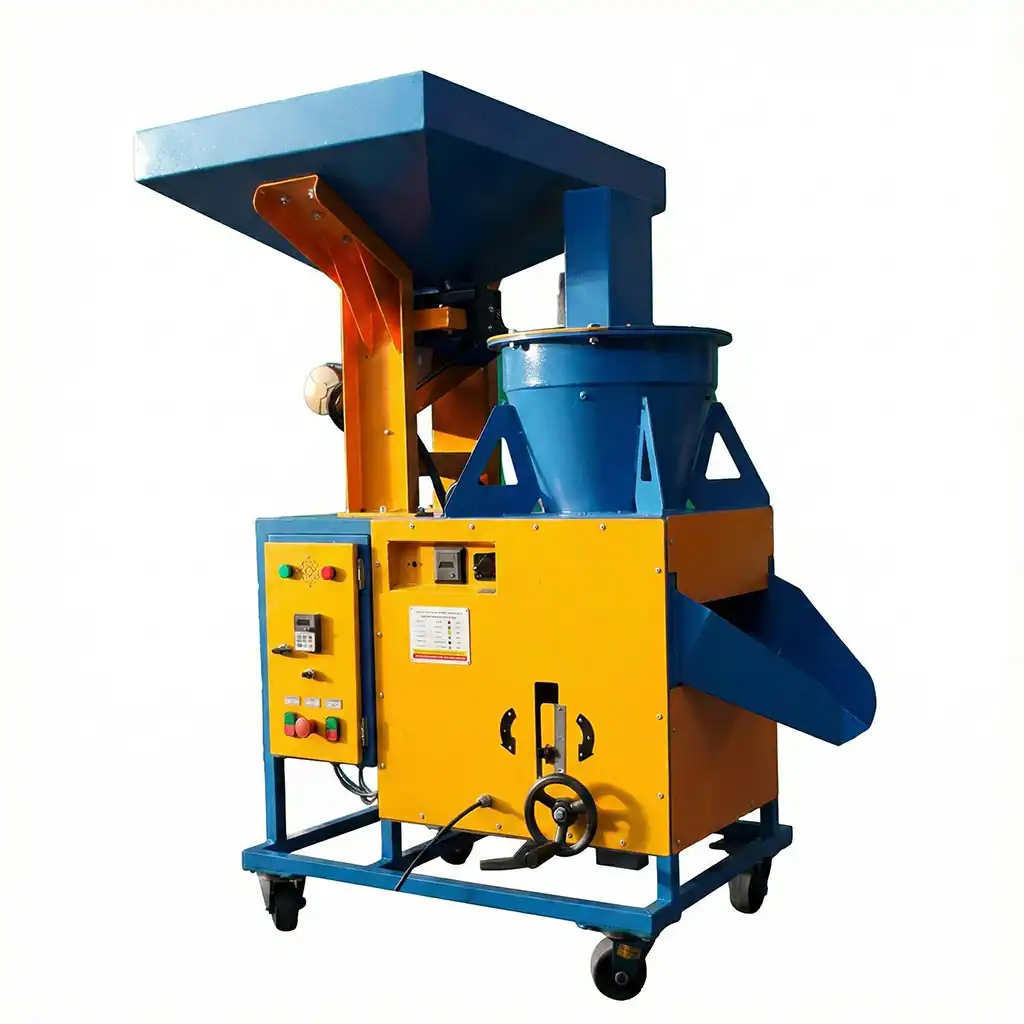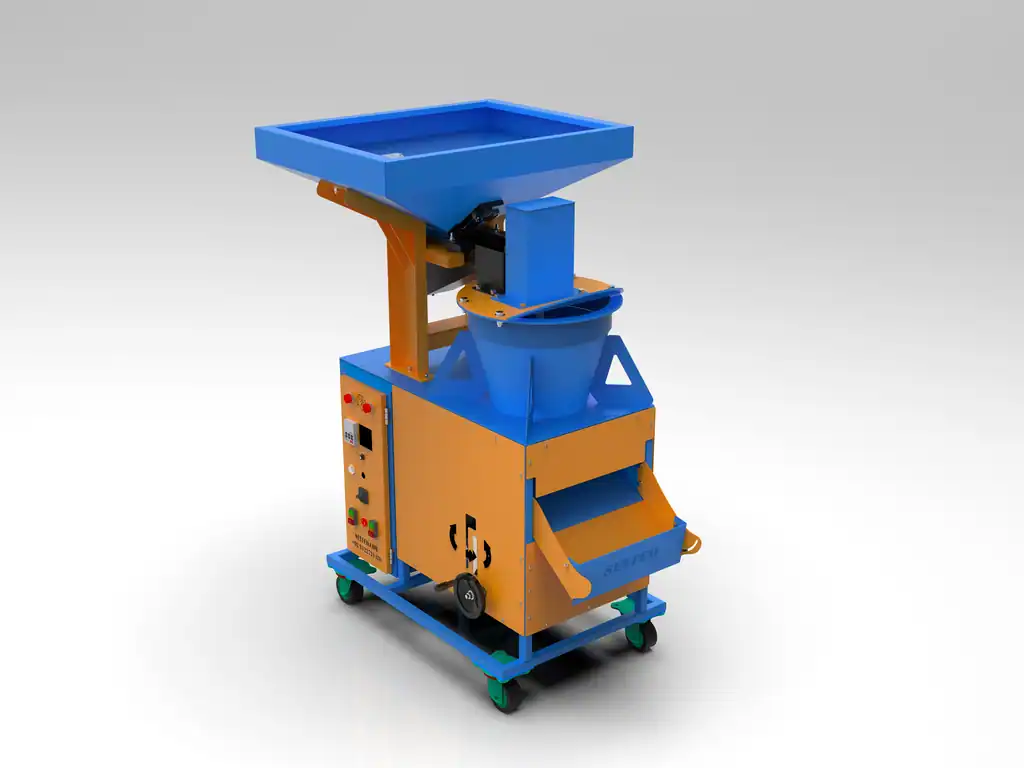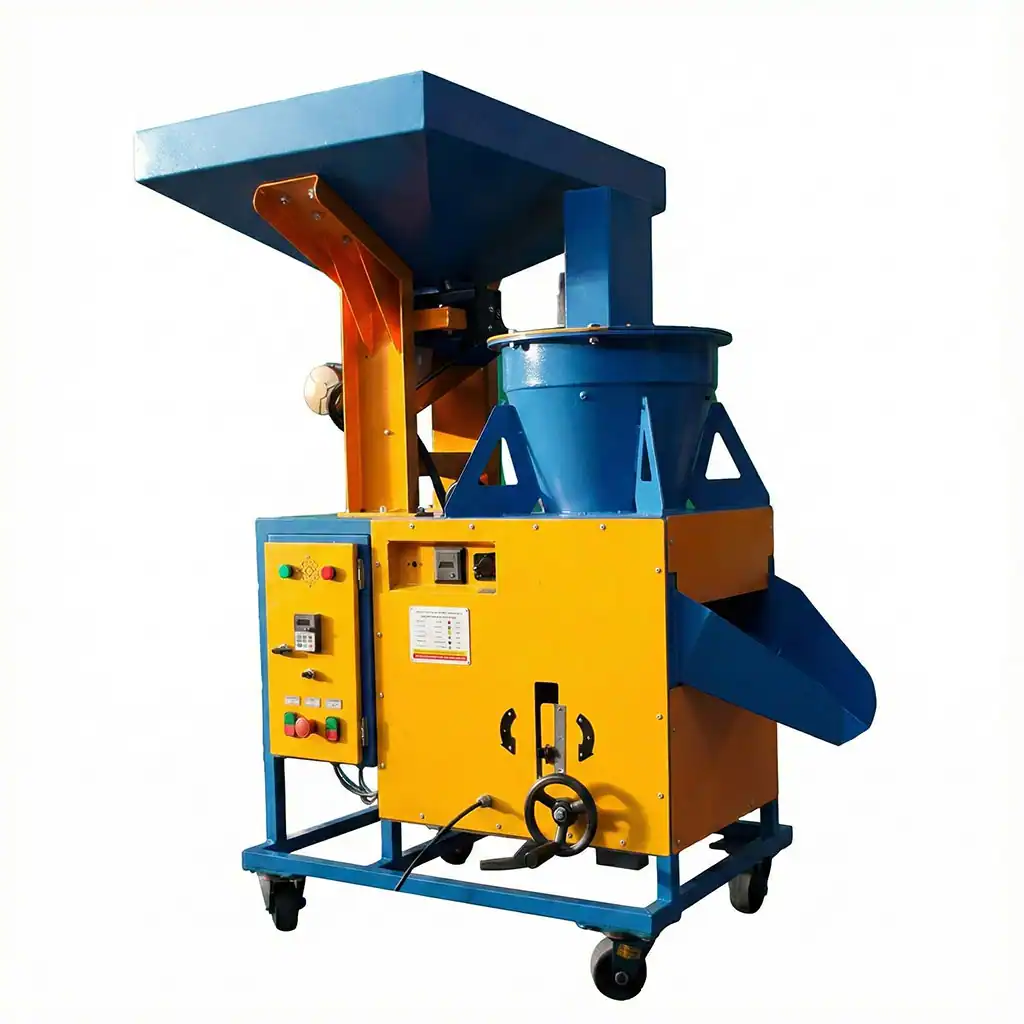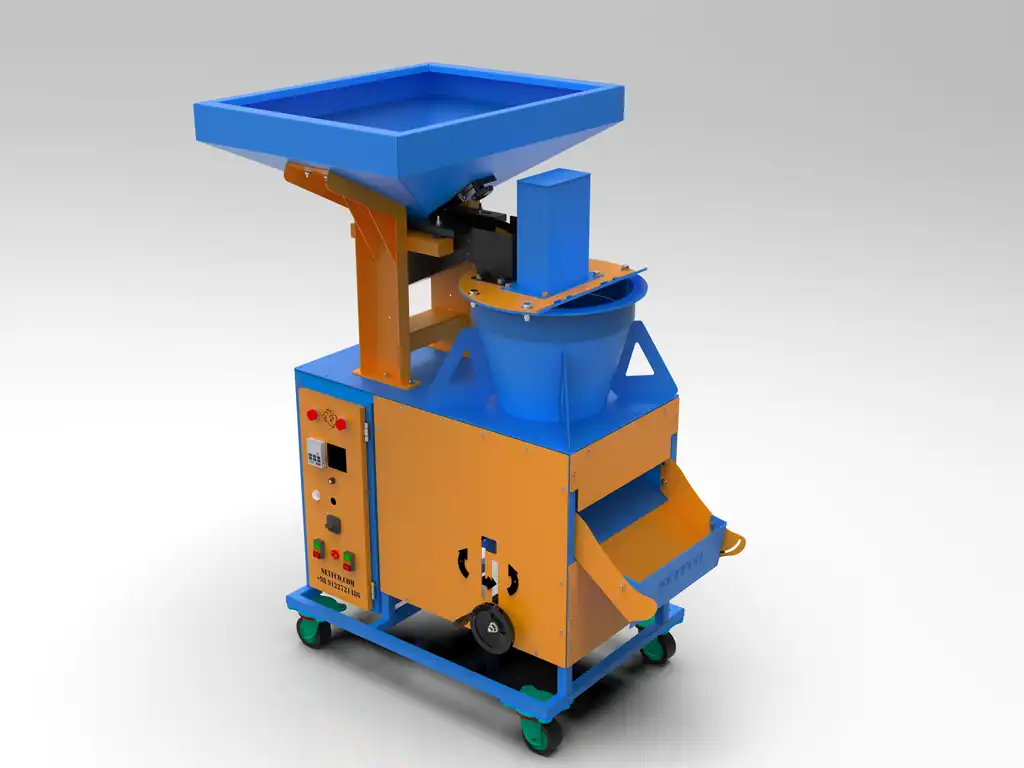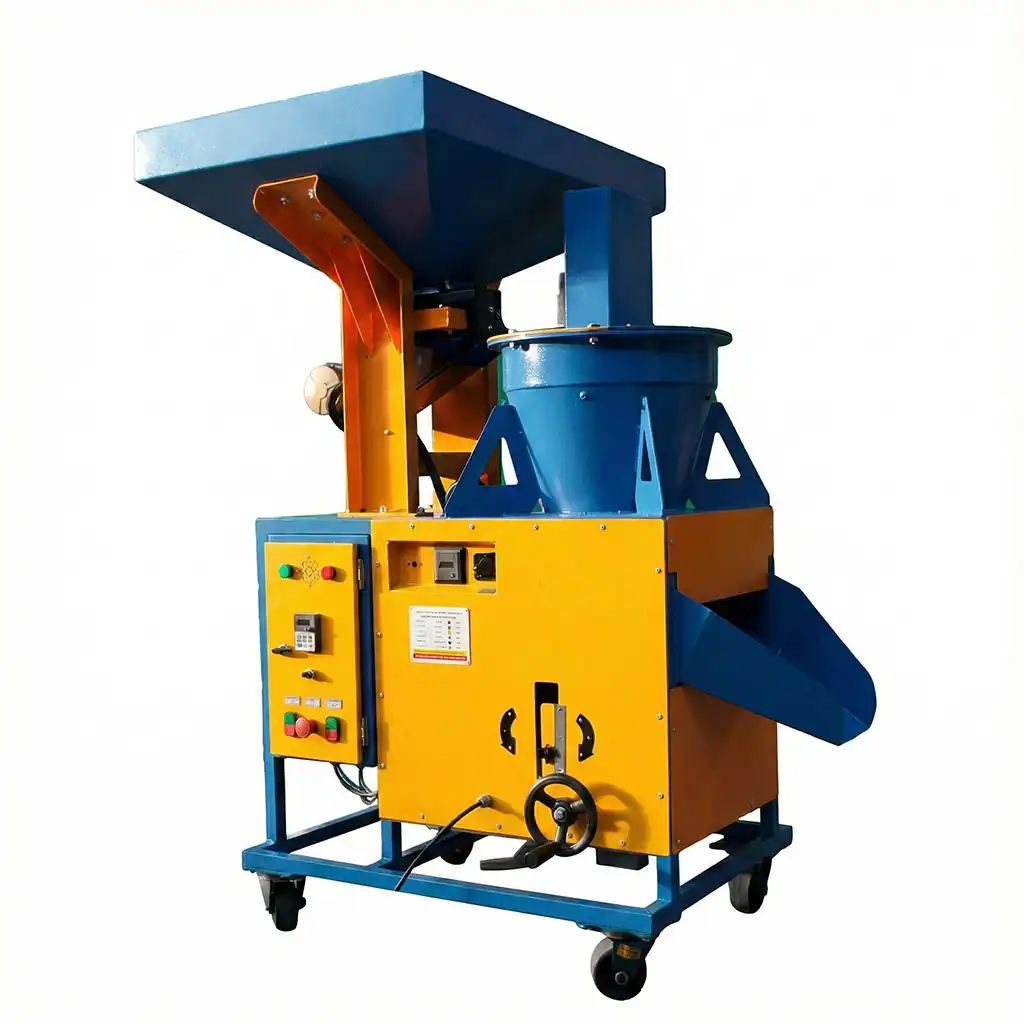

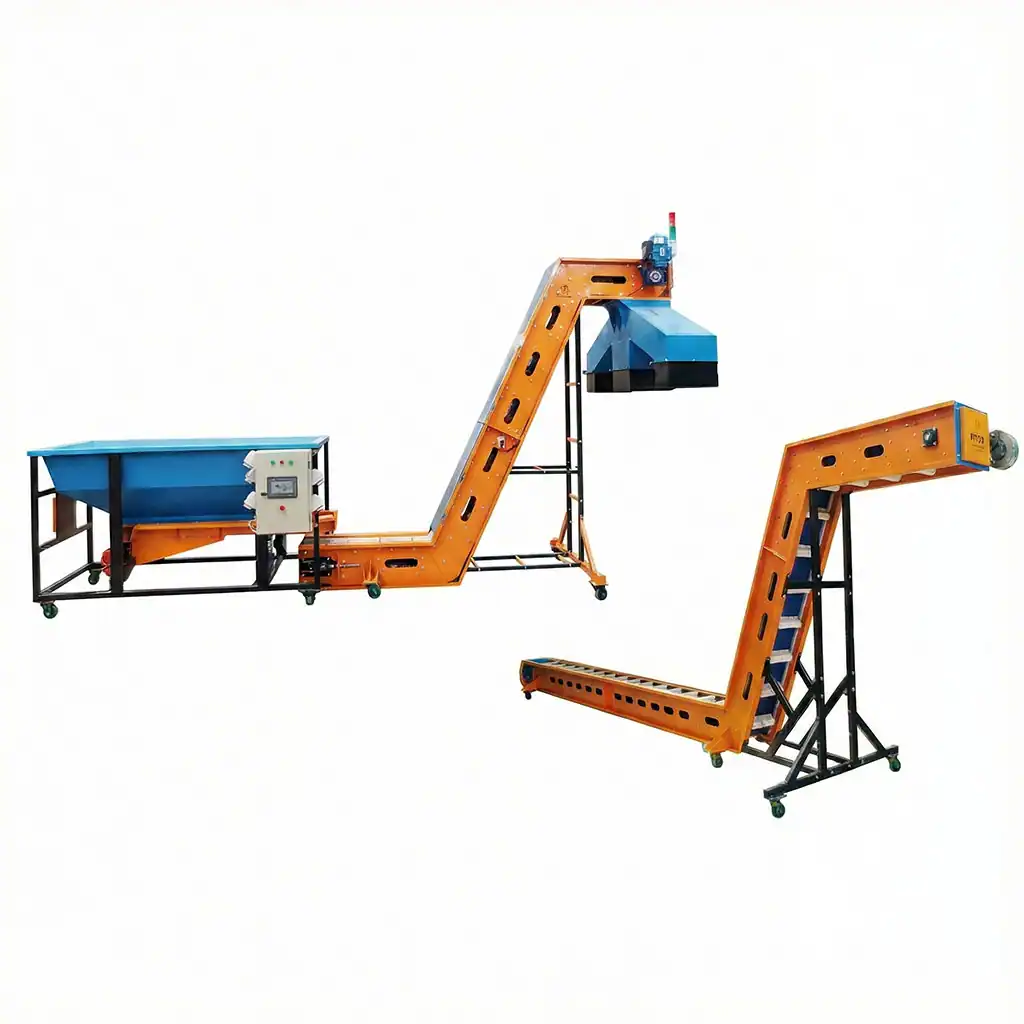
The conveyor belt and elevator are among the most key equipment in modern production lines, designed for vertical or inclined movement of materials. This system significantly reduces the need for manpower while greatly increasing speed and precision in material handling. Whether your factory operates in the mining industry or the food industry, the conveyor belt and elevator, with their robust structure and uniform motion, solve the challenges of material transfer between different levels. Precise engineering design, high safety, and customizability make it an ideal choice for expanding production lines.
What is a conveyor belt and elevator?
In simple terms, a conveyor belt and elevator is a device that moves materials from one level to another (usually up or down). Unlike flat belts, these systems use durable belts and powerful gearmotors to handle loads at steep and vertical angles. This feature minimizes the risks of manual heavy lifting and ensures workplace safety.
In various industries, especially in dried fruit processing lines, the conveyor belt and elevator organize the production flow and direct materials to subsequent stages of the process. Customizable design—including load capacity, movement angle, and material composition—makes this system adaptable to any type of production line, enabling workflow optimization, reduction of downtime, and increased productivity. High durability and adjustability make the conveyor belt and elevator a reliable choice.
Applications of conveyor belts and elevators in various industries
The application of this industrial conveyor belt is not limited to a specific industry. In fact, wherever there is a need to transfer materials to a height, this system plays a pivotal role. In agricultural and processing industries, maintaining product integrity during handling is a priority.
For example, in walnut processing lines, hazelnut processing lines, and peanut processing lines, the elevators send the kernels or shells to the next stages without any physical damage. In almond processing lines and sunflower seed processing lines, precision in moving the seeds from the hulling stage to packaging is critical, and this system ensures that. Also, in pistachio processing lines, by reducing hand contact and manual labor, both product hygiene is maintained and costs are reduced. The adjustable height and angle of these devices allow them to adapt perfectly to your factory space.
Types of conveyor belts and elevators
Depending on the type of product and application, conveyor belts and elevators are manufactured in various models and designs. These systems are among the vital components of material handling equipment in industrial production lines and are used for vertical or inclined movement of goods, materials, and semi-finished products. Choosing the right model of conveyor belt and elevator has a direct impact on speed, productivity, and process safety.
Common models include inclined conveyor belts, which use belts or chains to move materials to higher levels, and bucket elevators or lift conveyors, designed for handling bulk materials such as grains, powders, and seeds. These models are widely used in seed processing lines and are manufactured with different belt or chain materials according to product characteristics and environmental conditions. In the construction of conveyor belts and elevators, load capacity, lift angle, installation space, and physical properties of the materials are carefully considered.
Main components of a conveyor belt and elevator
A conveyor belt and elevator consist of several key components, each playing an important role in the smooth, safe, and stable operation of the device. The main belt or strip is responsible for moving materials, and its uniform motion ensures an uninterrupted production flow. Rollers and idlers reduce friction and enable smooth movement of the belt.
The electric motor and gearbox provide the driving force and control the speed of raising and lowering the belt. The metal frame holds the structure of the device and bears the total weight of the system. In advanced models, safety sensors and intelligent control systems enable automatic shutdown in emergencies and precise management of the conveyor belt and elevator movement, ensuring both operator safety and a consistent, accurate production flow.
Advantages of using conveyor belts and elevators
Conveyor belts and elevators play an important role in increasing the speed and order of material transfer in industrial environments and significantly reduce the need for manpower. With continuous and safe movement of materials, this system boosts the productivity of production lines and minimizes process downtime.
The adjustable speed, movement angle, and custom design of conveyor belts and elevators allow full compatibility with various production processes and different products. In addition, low energy consumption and easy maintenance make this equipment an economical and reliable option for long-term use. Some advanced models, equipped with sensors and intelligent control systems, increase the safety and precision of material transfer while minimizing the risks associated with manual handling.
Using conveyor belts and elevators not only improves the efficiency of production lines but also helps optimize workspace, reduce worker fatigue, and enhance the final quality of the product. For example, in hazelnut processing lines, reducing hand contact and manual labor maintains product hygiene and lowers costs, which is why it is considered one of the most important pieces of equipment in modern industries.
Important points in choosing a conveyor belt and elevator
The correct choice of a conveyor belt and elevator has a direct impact on the efficiency, safety, and productivity of the production line. Before purchasing, it is better to consider the following points to ensure the system is suitable for the type of product and environmental conditions:
- Carefully evaluate the capacity and weight of the materials to be handled.
- Choose the type of belt according to the material of the product.
- Consider the angle and height of material transfer.
- Determine the installation space and belt path in advance.
- The motor power and drive system must match the workload volume.
- Check operator safety and the availability of emergency stop functionality.
- Evaluate the availability of after-sales service and spare parts.
Seifi Industrial Group’s services in designing and manufacturing conveyor belts and elevators.
Seifi Industrial Group, with years of experience in designing and manufacturing material handling systems, is considered one of the most reputable producers of conveyor belts and elevators in Iran. Utilizing the expertise of skilled engineers and high-quality materials, this company provides smooth, safe, and durable equipment that guarantees precise performance in production lines.
In Seifi’s projects, each system is designed according to the customer’s needs, from selecting the type of belt and motor to determining the angle and lifting capacity. This customization approach has made Seifi conveyor belts and elevators achieve the highest efficiency and compatibility with the production process in mining, agricultural, food, pharmaceutical, and packaging industries.
The focus on build quality, compliance with safety standards, and provision of support services have made Seifi conveyor belts and elevators a reliable and professional choice for employers. To equip your production line with precise systems tailored to your needs, you can benefit from the expert consultation and custom design offered by this group.
Other related processing lines
Conveyor belts and elevators are typically part of a broad network of processing lines that complete the material flow in industrial units. In the food industry, they transport raw materials to washing or packaging machines, and in cement or aggregate plants, they guide grains to silos or mixers.
After vertical transfer, roller or belt conveyors handle the horizontal movement of products to packaging or warehousing. The coordination between these lines and the conveyor belt and elevator reduces downtime, saves time, and increases the precision of material transfer.
Summary
With intelligent design and continuous movement, conveyor belts and elevators significantly enhance the speed, precision, and safety of production lines while reducing the need for manpower. Adjustable speed, movement angle, and custom design make them compatible with various processes and boost productivity. The build quality, durability, and precise performance of this equipment, along with specialized support, make Seifi Industrial Group’s conveyor belts and elevators a reliable and professional choice.
Frequently Asked Questions
- What non-industrial applications do conveyor belts and elevators have?
In farms, small workshops, and construction projects, they can be used for handling and moving materials.
- Can conveyor belts and elevators be integrated with automation systems?
Yes, they are integrated with sensors and PLCs for automated material flow.