

Today, high sales depend not only on the initial quality of nuts. In fact, customers look for clean, uniform products with an attractive appearance, and most importantly, high quality and health. If you are facing challenges such as quality decline, high waste, or low sales, it is time to multiply the efficiency and profitability of your workshop by equipping your nut processing production line.
We are here to show you how, with the right investment in modern equipment and setting up a proper production line like the one offered by Seifi Industrial Group, you can elevate your product quality to a level that leads the market and boosts your sales.
The Importance of a Nut Processing Production Line
The nuts and dried fruit market in Iran is one of the booming sectors of the food industry.

With the growth of exports and increasing domestic demand for packaged products, the importance of setting up nut processing production lines has doubled.
On the other hand, setting up a standard nut processing line is not just an industrial investment but a foundation for producing quality products, reducing costs, and increasing profitability. The importance of these lines can be summarized in the following points:
- Increased Quality and Uniformity: Preventing contamination, removing impurities, and standardizing the size and appearance of nuts.
- Waste Reduction: Machines such as industrial sorters and advanced shellers prevent kernels from being damaged or broken.
- Increased Speed and Production Capacity: Automatic lines process larger volumes of product instead of relying on manual labor.
- Improved Appearance and Marketability: Precise sorting and complete skin separation increase the final value of nuts.
- Full Process Control: From raw material input to packaged output, everything is manageable and predictable.
- Reduced Labor Costs: With conveyor belts and elevators, automatic feed hoppers, and intelligent systems, the need for manpower is reduced.
- Increased Shelf Life and Product Safety: Proper processing reduces microbial contamination and extends product shelf life.
- Suitable for Export: To enter export markets, the product must meet standards in color, size, and cleanliness. In fact, the processing line guarantees these standards.
- Versatility in Processing Different Nuts: You can process various types of nuts with only minor adjustments.
Types of Nut Processing Production Lines
Nut processing production lines are categorized into half-lines and full lines based on production needs, workload, and setup objectives.

Below, we will examine each one in full detail:
Nut Processing Half-Lines
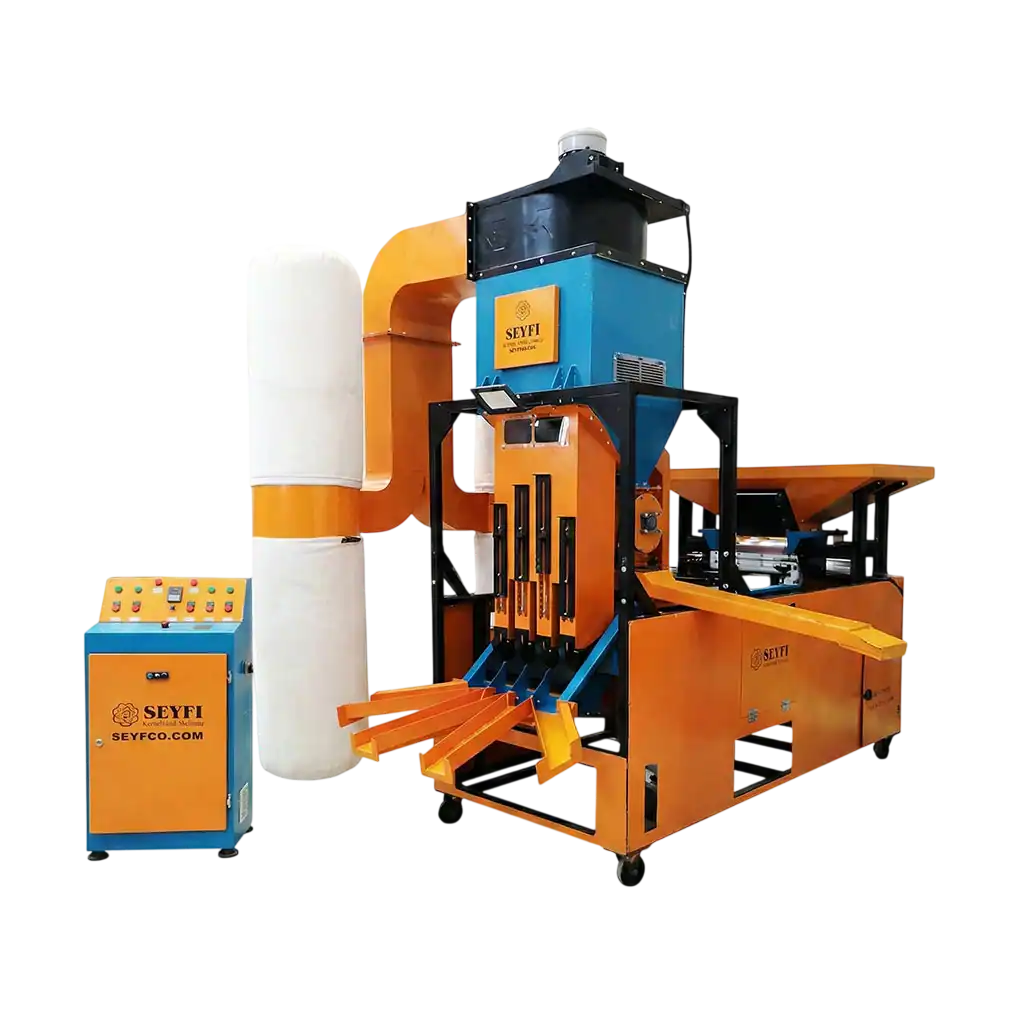
Half-lines are suitable for units with limited production and capacities of approximately 100 to 300 kg/h. These lines include basic equipment such as industrial sorting machines, shellers, vacuum devices, and conveyor belts and elevators. With these machines, you can classify and prepare nuts for packaging.
Among the advantages of half-lines are lower cost and upgradability. This type of processing line is often suitable for farmers or those who are either at the start of their business or do not want or cannot invest heavily in equipment. Of course, any production unit with a half-line can gradually add new machines as demand grows and form a complete line.
Complete Nut Processing Line
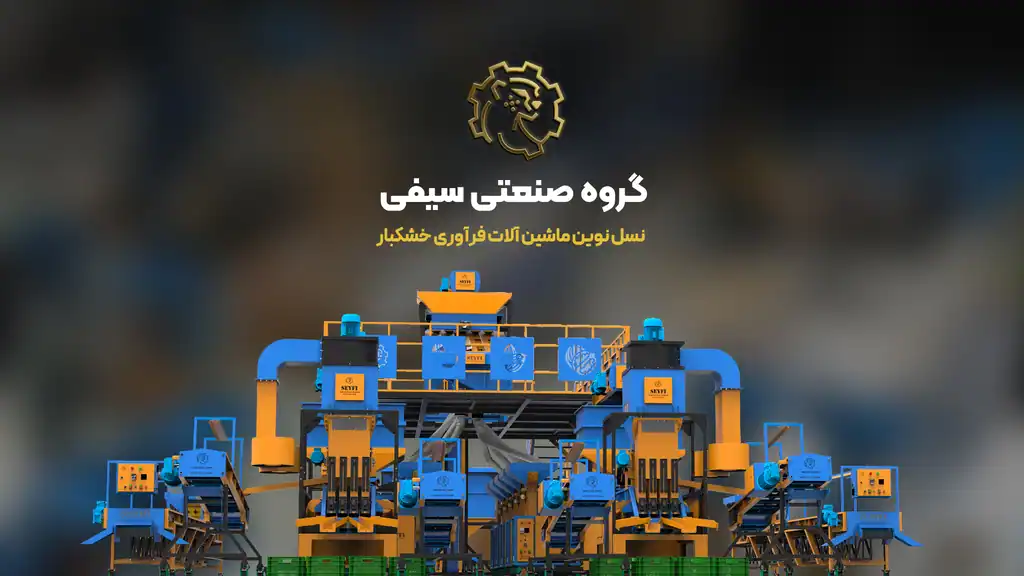
In complete lines, the process from start to finish is carried out continuously and with industrial equipment. From raw material reception to shelling, separation, flavoring, drying, sorting, packaging, and final transfer, everything is done in a coordinated system. The capacity of a complete nut processing line is over 500 kg/h.
The presence of modern equipment such as sorting belts and automatic feed hoppers, in addition to high speed, reduces manpower and production errors. Such lines are cost-effective for industrial and export units with high production volumes. The more complete and industrial the equipment in a full nut processing line, the more marketable the output will be, bringing significant profitability to the operation.
What types of nuts is a nut processing production line suitable for?
The nut processing process varies depending on the type of seed and the characteristics of its shell and kernel.

In general, in a nut processing line, you can process any type of seed-based product. Below, we introduce the most common types of processable nuts:
Pistachio Processing
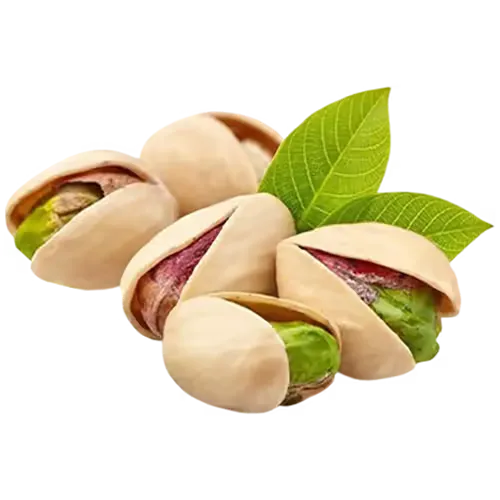
Pistachio is one of the most sensitive nuts and requires high precision. A hard-shell cracker is used to remove the woody shell and a skin separator is used for final cleaning. Then it is transferred to the sorting and packaging stage.
Advanced production lines are designed so that pistachio kernels exit the line intact and without breakage, preserving their natural color and flavor. Sometimes the goal of pistachio processing is only sizing, or the batch owner wants to separate large pistachios to sell at a higher price. Sometimes pistachio processing includes roasting and flavoring, and sometimes packaging machines are added to the processing line for pistachio export.
Almond Processing
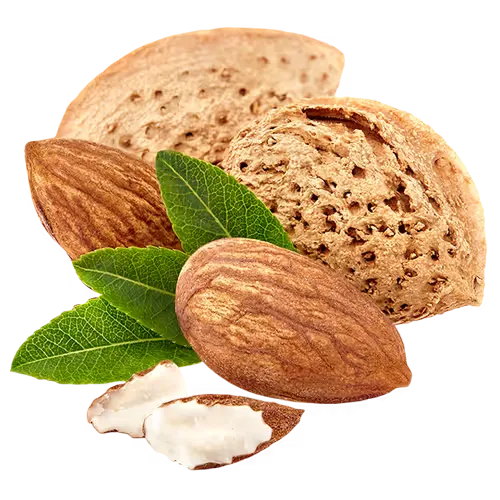
Almonds have a hard but brittle shell. In dedicated almond processing lines, the product is first cleaned with a hard shell cracker and then a thin skin separator. The almonds are then classified by size and quality using a sorting belt. This separation is very important in confectionery and export industries. Sometimes in almond processing, to crack the shells without damaging the kernels, a sorting stage is required before cracking. You can market almond kernels both raw and roasted, but it is important that the final batch is uniform, consistent, and free from waste and breakage.
Walnut Processing
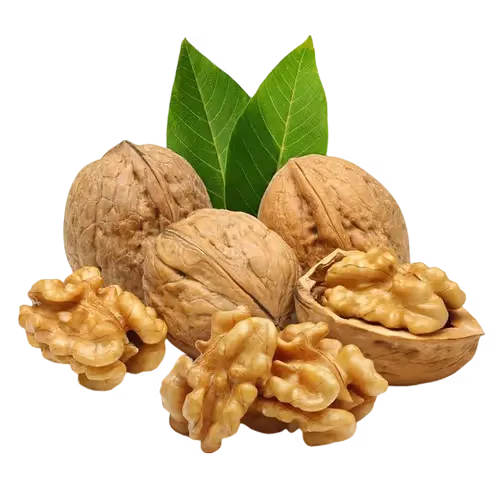
Walnuts, due to their thick shell structure and delicate kernel, require one of the most complex processes. The industrial hard shell cracking machine is responsible for breaking the shell without damaging the kernel. This is followed by skin separation and final sorting. In walnut processing, due to the thin membrane between the walnut kernels, machines such as hand-picking sorting belts are highly effective. In walnut processing, the batch owner may sometimes want to separate large walnuts, as large, uniform walnuts sell better in the export market.
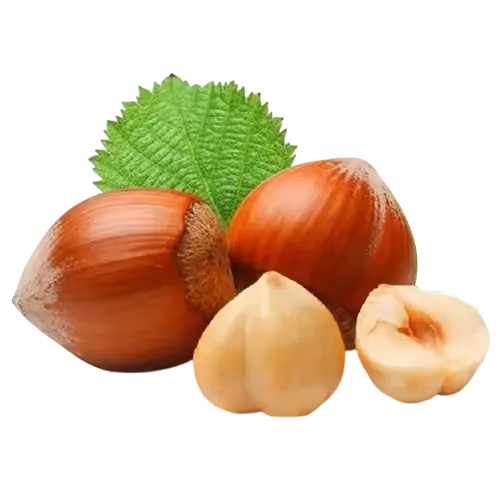
Hazelnut Processing
The hazelnut shell must be cracked with precise pressure to extract the healthy kernel. The combination of hard shell cracking machines and kernel skin separators makes this process easy. In advanced lines, color- and size-based separation is performed by an industrial sorting machine.
In hazelnut processing, sometimes the goal is shelling and producing kernels, and sometimes only cracking is important. Therefore, the hazelnut batch must be sorted before entering the hard shell cracking machine so that large and small hazelnuts are separated.
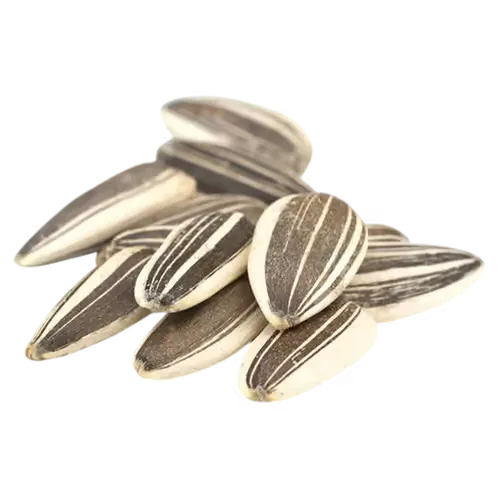
Seed Processing
In dedicated seed processing lines, the focus is on drying, flavoring, and sorting. Flavoring machines and hot air dryers, along with conveyor belts and elevators for rapid transfer to the packaging section, play an important role.
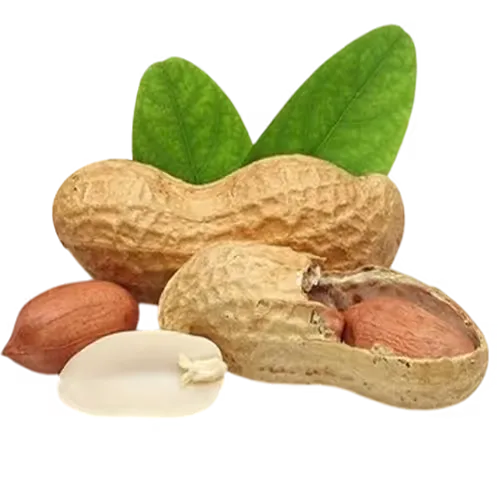
Peanut processing
After removing the outer shell, peanuts require cleaning and precise sorting. The dehuller breaks the hard shell, and the bladder machine separates the kernel from the skin. In the peanut processing line.
Automatic feeders and conveyors increase the speed and uniformity of the process.
Components and machinery of the dried fruit processing production line
Each production line is equipped with a set of machines that have specific tasks. Below, we introduce the machines of the dried fruit processing line:
Industrial sorting machine
The industrial sorting machine operates based on size, color, and kernel health.

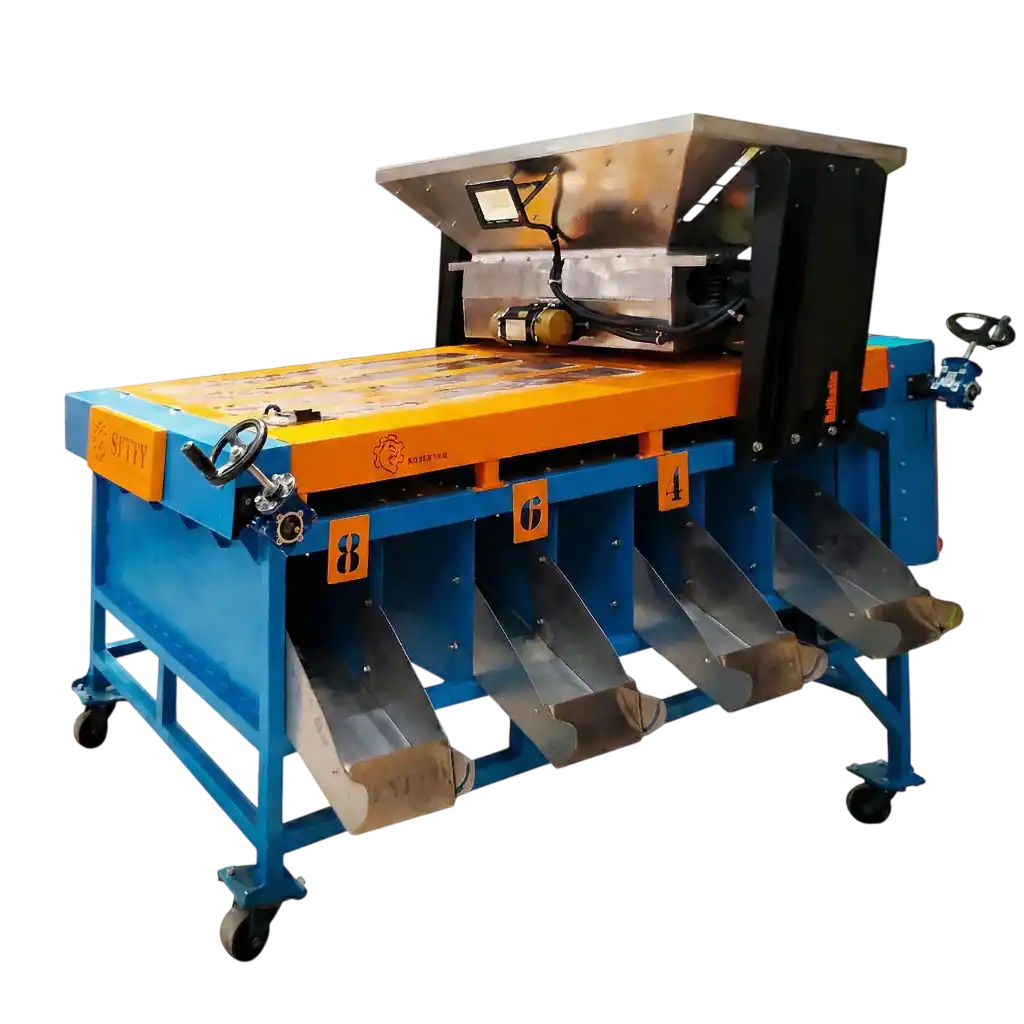
Seifi’s sorting machine uses rollers to separate any nut into 6 sizes. The rollers, which rotate in opposite directions, have adjustable speed to provide operation with minimal error and product damage, tailored to each product. Seifi sorters are manufactured in 4, 8, and 20-roller models with capacities of 200, 400, and 1000 kg/h respectively. Of course, these figures may vary for different products. This sorter works for both kernels and in-shell nuts.
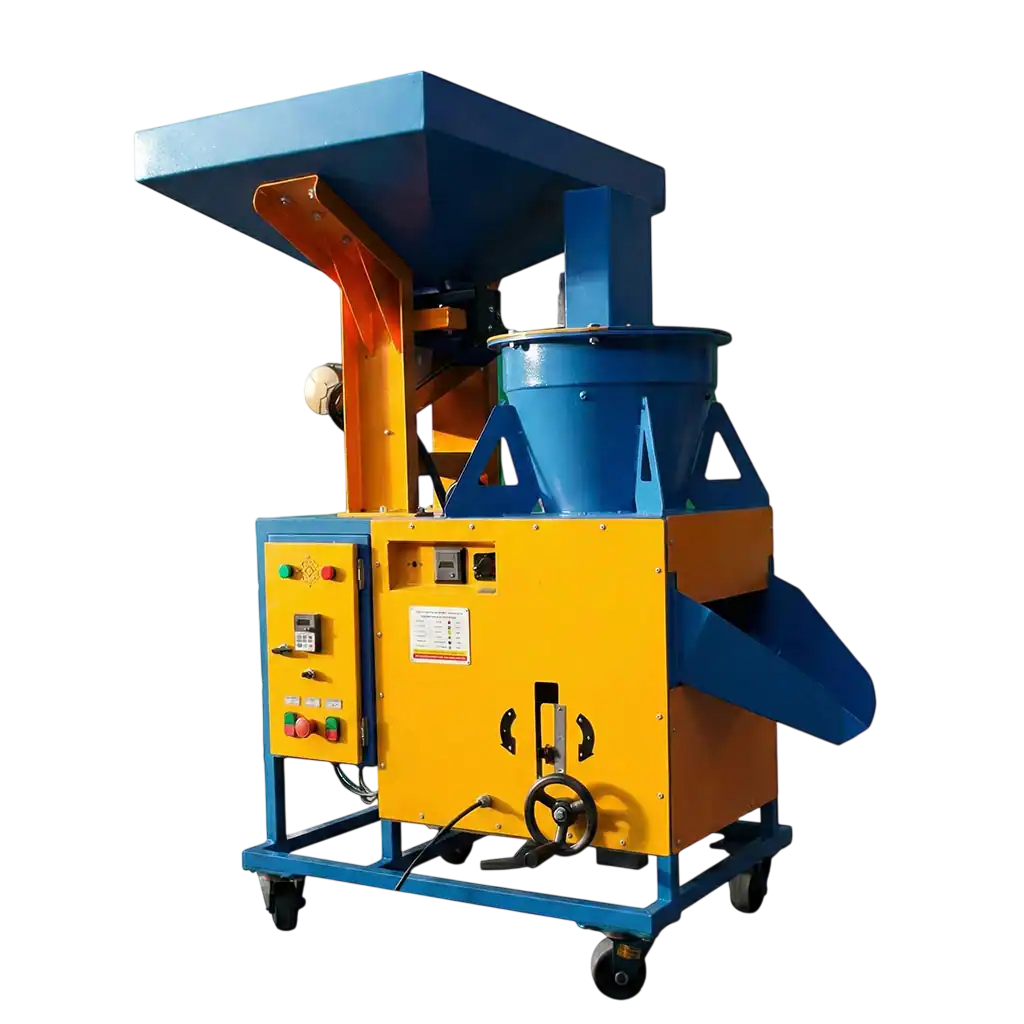
Industrial hard crust breaker machine
This machine is designed for removing thick shells such as those of walnuts, pistachios, peanuts, hazelnuts, and almonds.

Seifi’s hard shell cracker, with a very low error rate of about 2 to 5%, is competitive with foreign models. The pressure level of the hard shell cracking machine is adjustable and operates in a way that prevents kernel breakage or discoloration. High speed, high durability, and low energy consumption are among its advantages.
Shell-Kernel Separator
The next step after peeling is the precise separation of the thin skin or shell residues from the brain.

This process increases the beauty and visual quality of dried fruits and nuts, playing a crucial role in exports. The sifter-type skin-kernel separator operates using a sieving and vibration mechanism and features 4 outlets, including peeled kernels, broken skins, waste, and hollow or unpeeled products. With an accuracy of over 98%, this machine significantly reduces the need for re-inspection of the cargo. For complete processing lines and to ensure better export-quality products, it is recommended to inspect the output of this machine using a manual sorting belt under operator supervision.
Conveyor Belt and Elevator
All transfers in the line from the feed hopper to the device inlets are carried out by conveyors and elevators. The goal of constructing and designing these devices is to prevent grain breakage and increase the speed of material circulation. The conveyor and sifters elevator, with a very sturdy body and various heights and lengths, increase speed and convenience in the processing line.
Sorting Belt
After the processing and drying stages, the nuts are placed on a sorting belt so that the operator or automated system can separate unhealthy or discolored kernels. The Seifi sorting belt features an electrical panel with two switches and allows speed adjustment. Grooves on the sides of the machine allow the operator to place waste and skins. Finally, the contents of these grooves are discharged through the machine’s end outlet. Additionally, lamps are installed above the machine for better visibility and more accurate detection. Furthermore, the sorting belt has a vibratory feed hopper that ensures uniform feeding. These machines are manufactured and offered in various lengths of 4, 6, and 8 meters.
Automatic Feed Hopper
To reduce reliance on manual labor and increase production capacity, the automatic feed hopper feeds raw materials into the line uniformly and in a controlled manner. This component plays a key role in line stability. The Seifi automatic feed hopper, with a capacity of 1100 liters, significantly reduces the need for constant operator presence to feed the processing machines. This machine is equipped with a vibrator and has a low height for easy loading. The hopper outlet is connected to a conveyor belt so that the material is automatically fed into the inputs of other machines. The 1100-liter feed hopper holds at least 350 kg of product. This machine has two vibrators that direct the product onto a belt located at the bottom of the hopper. Other features of the feed hopper include 3-phase collection and elevator belts and spring suspension.
Purchase and Pricing for Setting Up a Nut Processing Production Line with Seifi Industrial Group
Various companies in Iran manufacture nut processing equipment, but Seifi Industrial Group, with several decades of experience in designing and building nut and dried fruit processing lines, has been able to gain the trust of major producers.
The cost of setting up a production line is influenced by several important factors:
- Production capacity and type of nuts (pistachios, almonds, seeds, etc.)
- Type of machines and level of line automation
- Quality of materials and internal components
- Need for auxiliary technologies such as color control or flavoring systems.
Saifi Industrial Group helps workshop owners set up a production line according to their needs and budget with custom design capability and full technical support. The machines in this group are known for optimal power consumption, high efficiency, and long service life. If you are looking for a reliable production line with industrial sorting machines, hard-shell crackers, conveyors, elevators, and other modern equipment, working with Saifi Industrial Group is the best choice.
Final Word
Entering the field of nut production and processing is one of the most profitable branches of the food industry. But success in this path depends on the right choice of equipment and standard production line design.
Using modern and integrated machines in a nut processing production line reduces waste, increases speed, and improves final product quality. Additionally, by consulting and purchasing from Seifi Industrial Group, you can be assured of having an efficient and economical line.
Frequently Asked Questions
Can all types of nuts be processed on the same shared line?
Yes, with proper design and specific machine adjustments, many types of nuts can be processed on a single line. You only need to make minor changes in pressure, temperature, or transfer speed.
What is the average lifespan of production line machines?
With proper maintenance, the useful life of industrial nut processing machines can exceed 10 years.
Is setting up a small line cost-effective?
For packaging workshops or limited export operations, half-lines are economical and can be upgraded to a complete line.
What after-sales services does Seifi Industrial Group provide?
From installation and commissioning to training, parts supply, and periodic servicing, everything is supported by the Seifi technical team.

